- Email atoglobalschool@gmail.com
- Phone +91 99999 22222
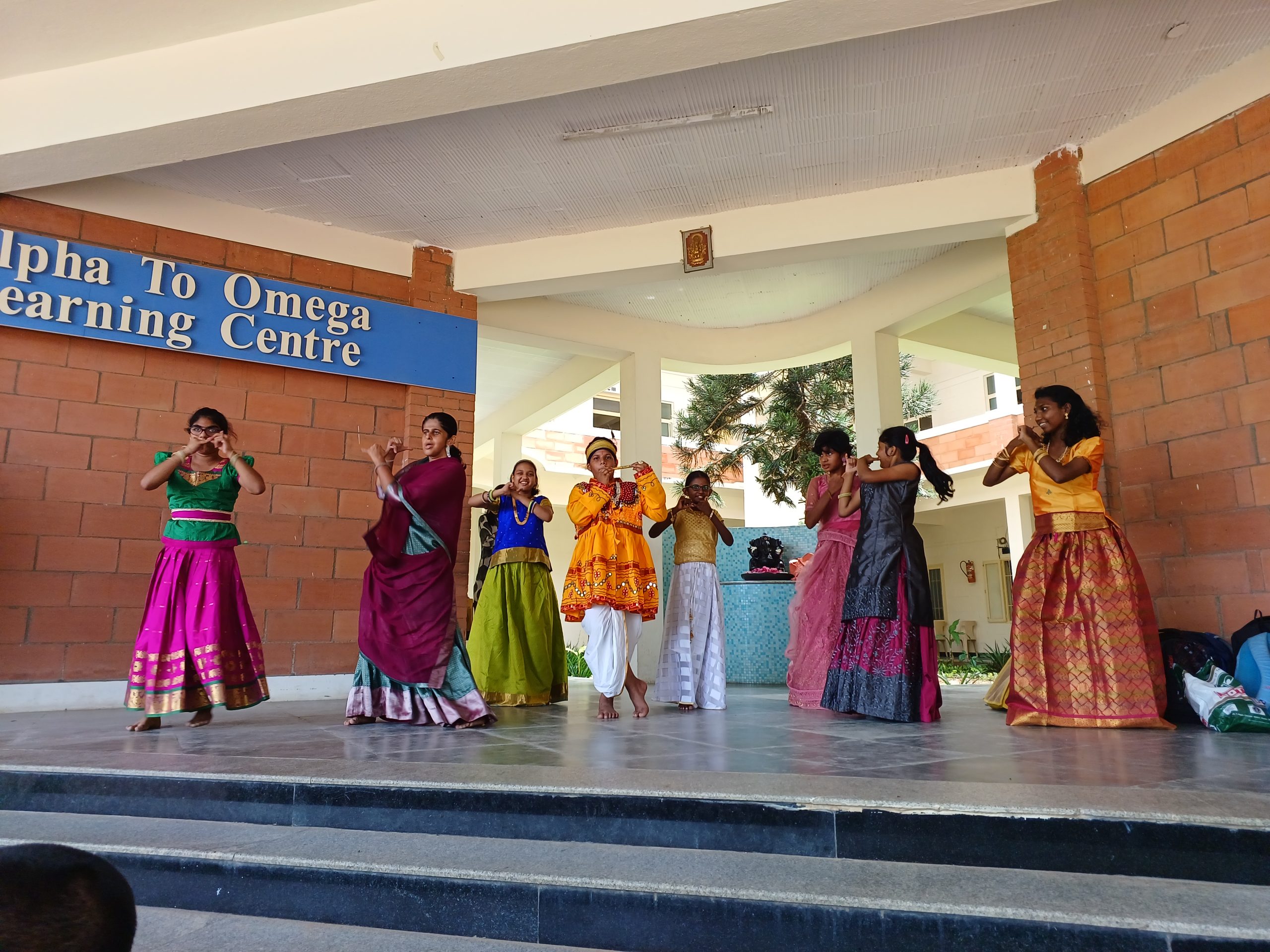
Inclusive education is more than a policy or a trend—it is a commitment to ensuring that every learner, regardless of ability, background, language, gender, or socio-economic status, learns together in the same classroom. It reflects the belief that diversity is not a problem to solve, but a strength to celebrate.
Inclusive education means that children with different learning needs and abilities study in mainstream schools with appropriate support. It ensures equal access to learning opportunities and meaningful participation for all students.
Organizations like UNESCO define inclusive education as a process of addressing and responding to the diversity of needs of all learners by increasing participation in learning, cultures, and communities, and reducing exclusion.
At its core, inclusion promotes:
Inclusive classrooms create environments where students learn not only academic content but also empathy, cooperation, and respect.
Children learn to accept and value differences. They develop empathy and stronger interpersonal skills.
Research shows that inclusive settings benefit both students with disabilities and those without, as teaching becomes more flexible and innovative.
Education is a fundamental right. Inclusion ensures that no child is denied learning opportunities because of disability, language, or background.
Inclusive schools prepare students for diverse societies and workplaces.