- Email atoglobalschool@gmail.com
- Phone +91 99999 22222


by Mrs. Swathy Ramesh
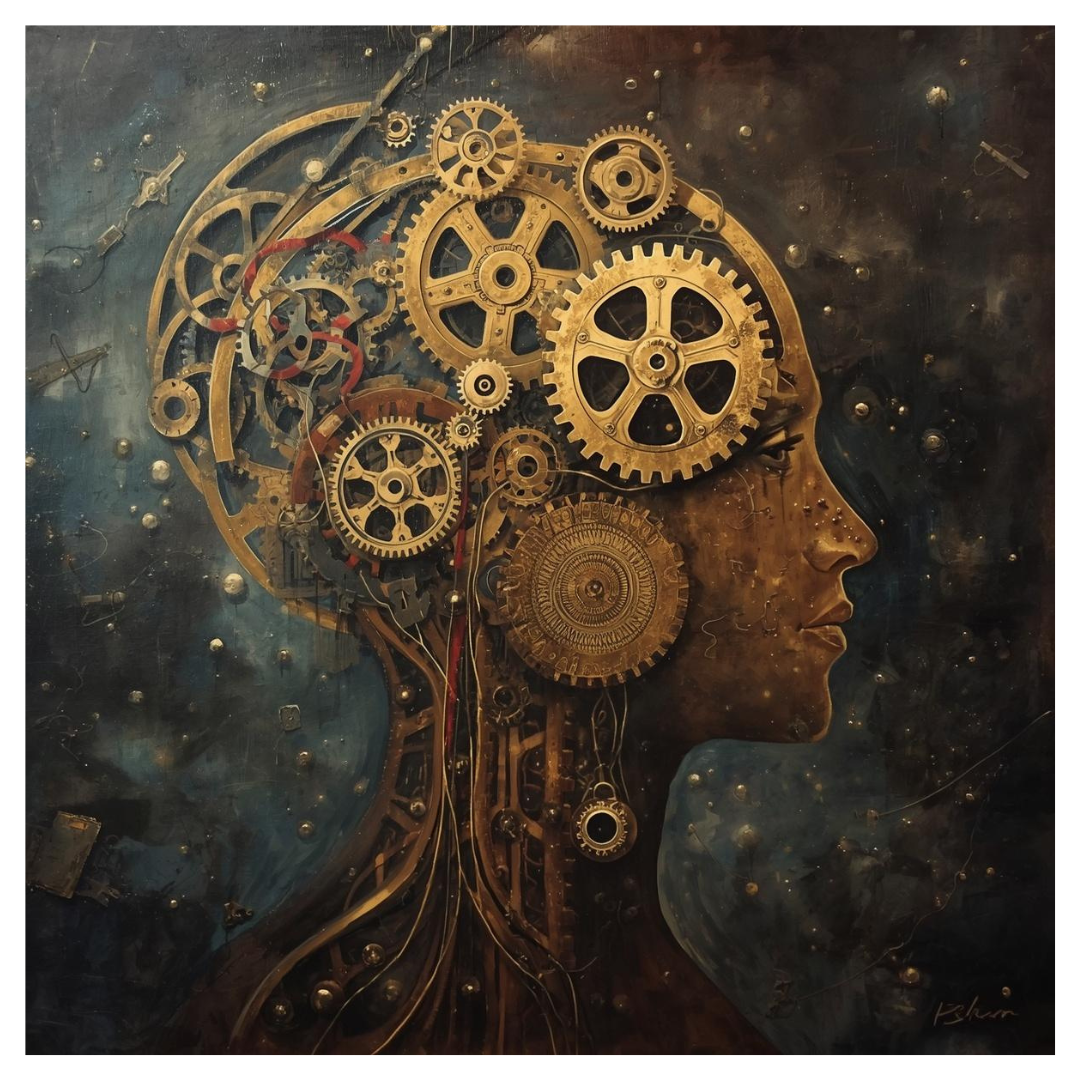
Yes, the Feuerstein Method really grows your brain. How? The method forces you to think about your thinking. Is it real? Yes. From What to How, from How to Why, and from Why to Why not, the method makes you question and reason through every process.
The method is based on Structural Cognitive Modifiability the belief that intelligence is not fixed. It is modifiable, and the change can be permanent. The Mediated Learning Experience (MLE) is the key to the method.
The human mediator is not simply a teacher but a facilitator who helps the child or adult have a richer experience with the task. The mediator encourages the learner to think: Why am I doing this task? How can I use this experience in other areas of life?
Learning becomes more meaningful when it goes beyond just doing an activity and helps children think deeply.
For example, imagine a child going to a mall and riding an escalator. According to Piaget’s direct learning approach, the child simply watches how the escalator moves up, goes around, comes down, and moves up again. This kind of learning through observation is important, but it may not be enough for deeper understanding.
With mediated learning, an adult — such as the child’s father — guides the child’s attention. The father might help the child compare the escalator with an elevator, notice how they are similar and different, talk about the slope of the escalator, its speed, and even how people feel when they ride it. This guidance makes the experience richer and helps the child develop thinking skills.
Professor Feuerstein said that when a child does not interact well with the environment, it may seem like the problem is only with the child. However, mediated learning shows that learning happens through interaction between the child and the adult.
When a supportive adult believes in the child’s ability to improve and provides guidance, real change and growth become possible.
Yes, the Feuerstein Method really grows your brain — not by giving answers, but by teaching you how to think, question, and apply learning in real life.