- Email atoglobalschool@gmail.com
- Phone +91 99999 22222


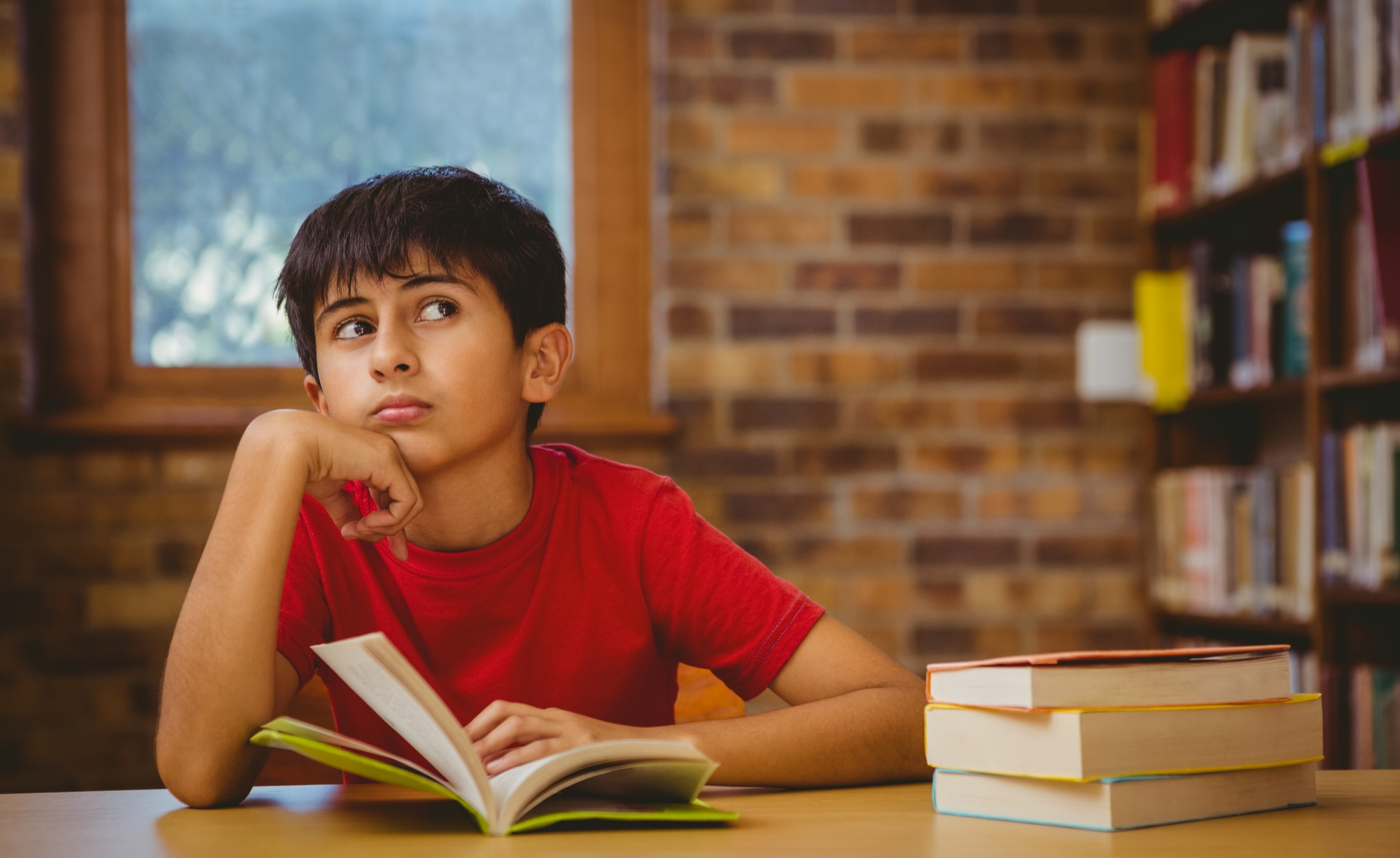
A child goes to school, sits through classes, finishes assignments, and everything appears more or less fine. From the outside, nothing feels obviously wrong. Yet, somewhere in between, small things begin to shift. Attention drifts a little faster. Interest fades sooner than before. School slowly starts feeling like something to get through rather than something to be part of.
For parents, this stage can feel difficult to understand. The child is bright, teachers may say they are capable, but something feels slightly out of place. In many situations, this gets mistaken for distraction or lack of effort, when sometimes the reason is much simpler than that.
Not every child learns in the same way. And not every classroom reaches every child in the same way either.
When Attention Begins to Slip
Most classrooms still follow a pattern many of us grew up with, listening carefully, writing things down, revising later. For some children, this works quite naturally. They hear something once, remember most of it, and move forward without much difficulty.
But for others, learning works differently.
Some children understand quickly when they can see something demonstrated. Others connect more through conversation or examples. A few need time, repetition, or some kind of activity before ideas begin to settle properly. It varies more than we sometimes realise.
When learning stays limited to one method, children do not always disengage immediately. Usually, it happens slowly. A little less attention in class. Less confidence when answering. Less excitement around learning in general.
It can look like disinterest, though that is not always what it is.
Literacy Develops at Different Paces
At the centre of school life is something quite important, helping children build literacy in a way that stays with them. Not just reading and writing, but understanding, expressing ideas, asking questions, and feeling comfortable enough to learn independently over time.
But children rarely get there in the same way.
Some begin reading naturally and fairly early. Others take a little longer before things begin to click. One child may respond quickly to stories and discussion, while another understands better through visuals or doing something practically.
This difference matters.
Because when every child is expected to learn through one fixed approach, some naturally begin falling behind, not because they are unable to understand, but because the lesson simply is not reaching them in the way they need.
Learning Feels Different When More Than One Sense Is Involved
This is where multisensory learning tends to help.
The idea behind it is actually quite simple. Instead of expecting children to learn through only one way, lessons involve different ways of understanding the same thing. A child may hear an explanation, see something demonstrated, discuss it, and sometimes even take part in an activity connected to it.
For many students, this changes the experience of learning more than people expect.
When children are seeing, hearing, and doing something together, attention tends to stay a little longer. Things feel easier to follow. Understanding comes with a little less effort.
There is also a reason many educators lean towards this approach. Research around learning has repeatedly shown that children often remember things better when more than one sense is involved. Something heard, seen, spoken about, and experienced usually stays longer than something only copied into a notebook.
The idea of whole-brain learning grows from this too. Learning becomes easier when different parts of the brain are working together rather than relying on just one route.
Why This Matters for Reading and Language
This becomes especially important while building literacy skills.
Reading feels easy for some children and frustrating for others, and often the difference has less to do with intelligence than people assume. Sometimes, it is simply about how language is introduced.
When children hear words, see them written, say them aloud, and connect them to meaning, something shifts. Reading starts feeling less unfamiliar. Confidence grows slowly, but it grows.
Over time, children begin recognising patterns rather than only memorising. Things start making sense instead of feeling repetitive.
In a Cambridge international school, there is often more room for this kind of flexibility. The focus tends to stay on helping children understand ideas properly instead of moving too quickly toward memorisation.
The First Changes Are Usually Small
What many parents notice first is usually not marks.
It shows up in smaller ways, sometimes quietly. A child who struggled to sit through homework begins staying with it a little longer. Someone who rarely spoke about school suddenly mentions something they learned that day. Questions begin showing up again.
These things can feel small while they are happening. Still, they matter.
Once the child learns to reconnect to the learning process his confidence grows. He becomes interactive and motivated for he feels he can achieve.
Not overnight, of course. Usually, it happens gradually.
No Two Children Learn in Exactly the Same Way
Most parents already know this instinctively.
Even siblings raised in the same home often learn very differently. One may enjoy books naturally, while another needs conversation or examples to make sense of something. Some children learn best when they can move, try things, or simply take more time.
A multisensory approach makes room for that difference.
Rather than expecting every student to fit neatly into one style of teaching, it creates space for different ways of learning within the same classroom. That alone can make a real difference, especially for children who may otherwise feel left behind.
In a Cambridge international school, this flexibility often becomes an important part of the learning experience because children are given more room to understand ideas in ways that work for them.
What Parents Usually Notice Over Time
Most of these changes become visible outside school before anywhere else.
Sometimes it appears in small conversations at home. A child talks more openly about something from class. Reading feels a little less stressful than before. Curiosity slowly starts replacing hesitation.
The shifts are rarely dramatic. Most of the time, they are quiet.
But often, those quieter changes are the ones that matter most.
For families exploring a Cambridge international school, it helps to look not only at what is being taught, but also at how children seem to respond inside that environment.
How We Try to Support This at School
At ATO Global School, we understand that learning rarely looks the same for every child. Some students need structure, others need time, and a few simply need concepts introduced differently before they begin to connect with them.
That is why classrooms often make room for different ways of learning, whether through visuals, discussion, activities, or methods that help ideas feel easier to understand.
Sometimes, focus comes back in unexpected ways. Not always through pressure or repeated practice, but when learning begins to feel easier to stay with.
Alpha to Omega Global school offers a holistic approach to learning. Click here to know more.
Contact us